Can you introduce yourself to our readers and explain how your diverse background across technology, energy, and finance came together?
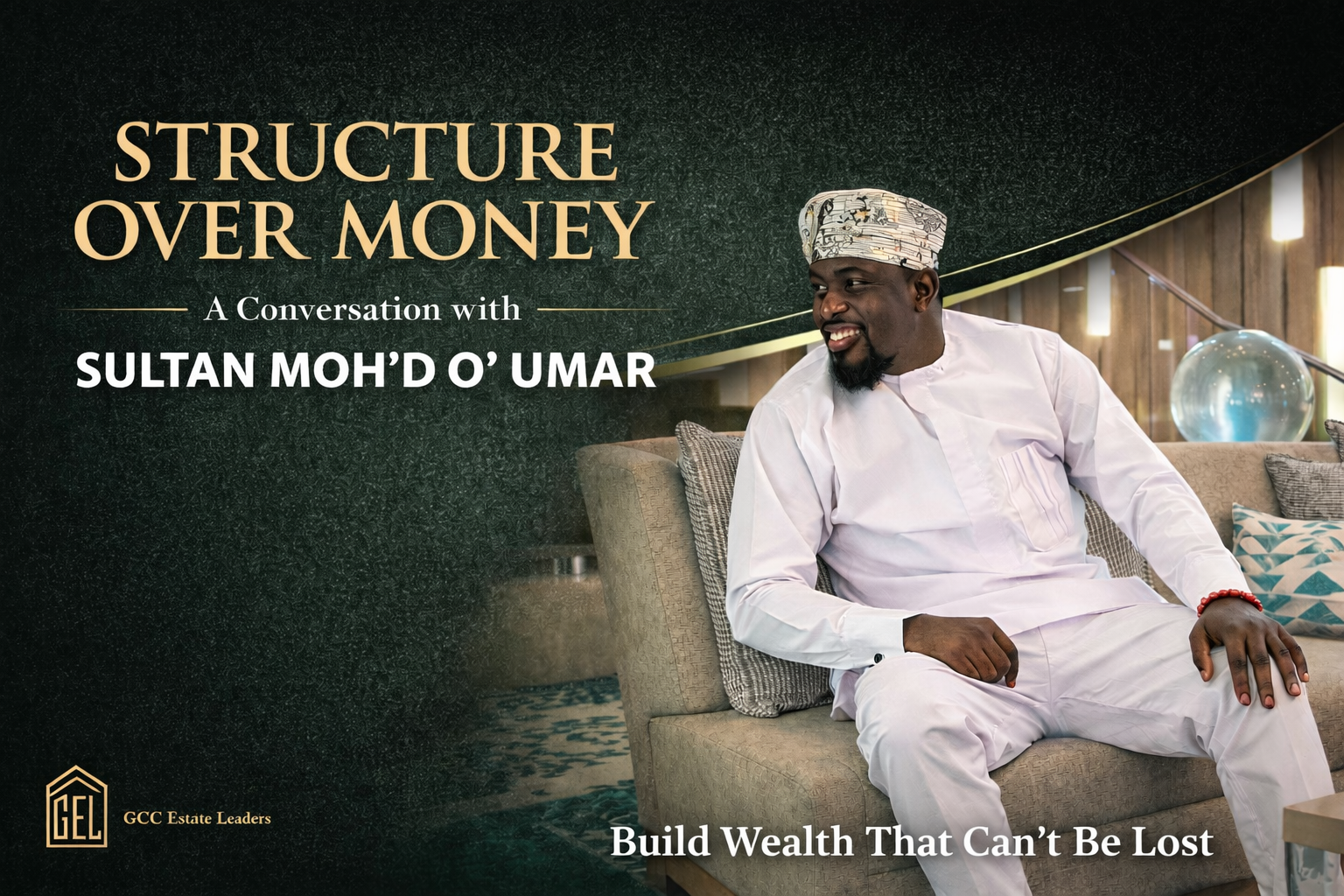
My background developed organically through problem-solving across systems. I started in technology, where I learned about cybersecurity, digital infrastructure, and how systems fail under pressure. From there, I moved into finance and crypto, focusing on capital flows, risk, and asset protection. Energy and commodities followed naturally because real wealth at scale remains anchored in physical assets. This journey led me to write a book titled STRUCTURE OVER MONEY — THE GLOBAL FINANCE BLUEPRINT, which focuses on how individuals and institutions can protect themselves from losing assets. The core idea is simple but often ignored: wealth is not lost because people lack money; it’s lost because they lack structure.
How does your experience in cybersecurity and crypto analysis influence the way you evaluate investments?
Cybersecurity teaches that breaches don’t happen because systems are unknown – they happen because people ask the wrong questions. Crypto markets reinforce that lesson daily. Knowledge isn’t just about what you know; it’s about the questions you ask—about control, custody, governance, and exit paths. That mindset shapes every investment decision I make. I don’t focus on returns first. I focus on structure, failure points, and survivability. Without structure, even profitable investments eventually collapse.
What role does real estate play within your broader, multi-asset investment strategy?
Real estate is a stabilizing force within a diversified portfolio. It provides tangible value, long-term security, and the ability to structure capital efficiently. I see property not just as an income asset, but as a foundation for financial architecture – something that can support trusts, SPVs, leverage, and inter-asset strategies.
How do you assess risk differently when operating across industries like oil & gas, finance, and property?
Each sector carries different risks, but the mistake many investors make is treating risk as isolated. I assess risk through structure first, not sector first. Contracts, jurisdiction, counterparty exposure, and control mechanisms matter more than industry labels. A well-structured deal in a high-risk sector can be safer than a poorly structured deal in a “safe” one.
In your view, how is technology reshaping modern real estate investment and asset protection?
Technology is redefining how assets are protected. From digital records and compliance automation to smart contracts and enhanced security systems, real estate is becoming part of a broader digital framework. Property today is not just physical – it’s structured, monitored, and integrated into larger financial systems.
What trends are you seeing in real estate that align with digital assets and alternative investments?
There’s a growing alignment between real estate and digital assets through tokenization, data-driven valuation, and cross-collateralization. Investors are no longer separating “traditional” and “digital”—they’re building portfolios where assets support each other structurally, not emotionally.
How important is financial structuring and capital flow management when entering large property transactions?
It’s everything. Capital without structure is fragile. In large transactions, the flow of funds, control mechanisms, and legal architecture determine success more than the asset itself. This principle is central to my work and to my book: structure must come before money—always.
What advice would you give investors trying to balance traditional assets with emerging digital opportunities?
Start with structure, not opportunity. Understand who controls the asset, how it’s protected, and how capital moves in and out. Don’t confuse access to information with wisdom. Knowledge becomes complete only when you ask the right questions—and the right first question is always: Is the structure strong enough to protect what I’m building?
How do you evaluate markets for scalability and long-term sustainability before investing?
I look beyond hype and numbers. I ask simple but important questions: Does this market solve a real problem? Can it grow without breaking? And will it still matter in ten years? Scalability isn’t just about size—it’s about systems, regulation, infrastructure, and people. If growth depends on constant shortcuts or fragile conditions, I walk away.
What common mistakes do entrepreneurs make when diversifying across too many sectors?
The biggest mistake is confusing diversification with distraction. Many people spread themselves thin without mastering structure. They chase opportunities instead of building foundations. Being in many sectors only works when you understand how they connect. Otherwise, one weak area can quietly drain everything else.
How do ethics, purpose, and your belief that “humanity is the right religion” influence your business decisions?
That belief keeps me grounded. It reminds me that behind every deal, contract, or asset are real people. Profit without ethics eventually collapses. I try to build in a way that respects dignity, fairness, and long-term impact. Humanity, to me, is about doing business in a way you can stand by—even when no one is watching.
What opportunities do you see in cross-border investments between Africa, the Middle East, and global markets?
There’s massive untapped potential. Africa has youth, resources, and innovation. The Middle East has capital, infrastructure, and global access. When structured properly, cross-border investments can unlock value on both sides. The key is understanding local realities while applying global standards—most failures happen when one of those is ignored.
How do you manage trust, transparency, and security in high-value financial and real estate transactions?
I don’t rely on trust alone – I rely on structure. Clear documentation, independent verification, escrow controls, and strong legal frameworks come first. Transparency isn’t about faith; it’s about systems that make dishonesty difficult. When structure is strong, trust follows naturally.
What skills do modern investors need to succeed in an increasingly complex global economy?
Curiosity, critical thinking, and emotional discipline. The world is moving fast, and information is everywhere—but wisdom is rare. Investors need to ask better questions, understand risk, and stay calm when markets are noisy. Technical knowledge matters, but judgment matters more.
What legacy do you hope to build through your ventures in business, investment, and social impact?
I want to leave behind systems that outlive me – businesses that are structured, fair, and resilient. More than wealth, I want people to learn that success doesn’t come from luck or shortcuts, but from thinking deeply, acting responsibly, and building with intention. If others can protect what they build because of something I shared or created, that’s a legacy worth having.
-
Sultan Moh’d O’ Umar is a multidisciplinary professional and thought leader with experience spanning cybersecurity, crypto markets, oil & gas, financial facilitation, real estate, and automotive ventures. With a rare ability to bridge technology, finance, and property, he brings a strategic and global perspective to every industry he engages in.
As the author at GCC Estate Leaders, Sultan focuses on uncovering real estate trends, investment insights, leadership stories, and market intelligence across the UAE, Saudi Arabia, Qatar, and the wider GCC region. His work highlights not just numbers and projects, but the people, ethics, and vision shaping the future of the region’s property markets.
Driven by the belief that “Humanity is the right religion,” Sultan advocates transparency, ethical business practices, and knowledge-sharing across borders. His analysis blends technical expertise with real-world experience, making complex topics accessible to investors, professionals, and emerging entrepreneurs alike.
Based in Nigeria with a strong international outlook, Sultan continues to build cross-industry networks that connect technology, capital, and opportunity across Africa and the Gulf.
Instagram