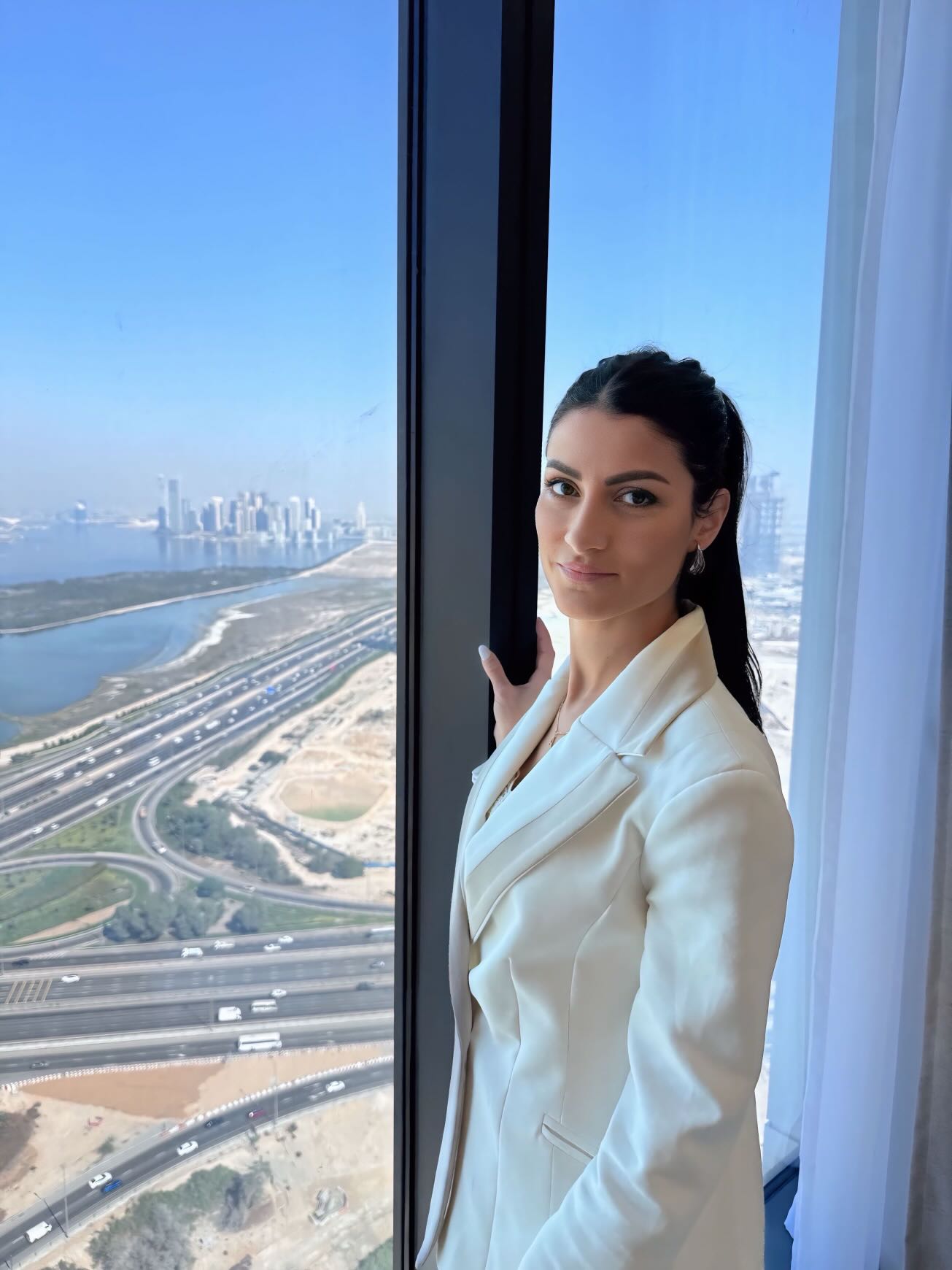
1. Can you introduce yourself to our readers and share how your real estate journey began between Milan and Dubai?
My real estate journey began in Milan, where I started working in the residential sector and investment properties within one of Europe’s most dynamic cities. Milan gave me a strong foundation in market analysis, asset valuation, and understanding the mindset of international investors. Expanding to Dubai was a natural progression—an international city with a fast-growing real estate market and a completely different, yet highly compelling, investment landscape.
2. What motivated you to expand from the Italian property market into Dubai’s off-plan real estate sector?
The main driver was growth potential and market efficiency. The Italian market is solid but mature, with moderate returns and longer timelines. Dubai’s off-plan sector, on the other hand, offers strong capital appreciation opportunities, innovative developments, and a clear, investor-oriented regulatory framework. It’s a market designed for forward-looking investors.
3. How would you compare the residential property markets of Milan and Dubai from an investor’s perspective?
Milan is a defensive market—ideal for capital preservation and stable rental income. Dubai is more growth-oriented, offering higher yields and faster appreciation, particularly in off-plan projects. Investors typically choose Milan for stability and Dubai for scalability and international diversification.
6. How do you help international investors identify high-potential projects in a fast-moving off-plan market?
I apply a strict selection process based on location quality, developer track record, payment plan structure, real market demand, and comparison with completed projects. My role is to filter the market and present only opportunities with solid fundamentals, avoiding speculative deals that lack long-term value.
7. What key differences should investors understand between buying property in Italy versus Dubai?
Italy involves a more complex and slower bureaucratic process, along with higher taxation. Dubai offers a fast, transparent purchasing process fully regulated by government authorities. Additionally, off-plan purchasing in Dubai is highly structured and protected compared to traditional European markets.
8. How important are developer credibility, payment plans, and delivery timelines when advising off-plan clients?
They are absolutely critical. Even a well-located project can fail if the developer lacks credibility. I always assess delivery history, construction quality, and the sustainability of payment plans. These factors directly impact both investment security and overall returns.
9. What are the most common concerns European investors have about Dubai real estate – and how do you address them?
The most common concerns relate to legal protection, market volatility, and geographic distance. I address these with clear data, full transparency throughout the buying process, and continuous post-sale support. Once investors understand how the system works, they often realize that Dubai is one of the most regulated and investor-friendly real estate markets globally.
10. How do data, market research, and local insights influence your investment advisory approach?
Data is always the starting point—pricing trends, absorption rates, rental yields, and future supply pipelines. However, numbers alone are not enough. Local insight is what gives data real meaning: understanding how demand is evolving on the ground, which areas are truly maturing, and which developers consistently deliver on their promises. My advisory approach is built on combining hard data with real market experience.
11. What buyer trends are you noticing among international clients in 2026?
In 2026, international investors are noticeably more educated and selective. There is a strong focus on project quality, developer reputation, and long-term sustainability. Many clients are no longer looking only for short-term gains but for assets that can generate stable income, appreciate over time, and fit into a broader wealth-planning strategy.
12. How does working within a large brokerage network like Solo Belle Case by UBH Real Estate enhance client outcomes?
Being part of a structured brokerage network provides access to off-market opportunities, early-stage launches, and strong operational support. For clients, this means better deal flow, higher levels of security, and a smoother transaction process. Collaboration within the network also allows us to deliver a more comprehensive advisory service, from acquisition to post-sale support.
13. How do you balance short-term investment opportunities with long-term wealth-building strategies?
The balance starts with understanding each client’s objectives. Some off-plan opportunities are ideal for short-term capital appreciation, while others are designed for long-term income and value growth. My role is to structure balanced investment strategies where short-term opportunities enhance – rather than compromise – long-term wealth creation.
14. What advice would you give to first-time international investors entering Dubai’s property market?
My main advice is not to rush. Dubai is a fast-moving market, but speed should never replace due diligence. Work with experienced professionals, understand the local regulations, and start with well-located, reputable projects. A well-chosen first investment sets the foundation for long-term success.
15. Where do you see cross-border real estate investment between Europe and Dubai heading over the next decade?
I see continued growth and increasing sophistication. Dubai will remain a key destination for European investors seeking diversification, while European cities—especially markets like Milan—will continue to play a role in capital preservation. The future lies in internationally diversified portfolios where Europe and Dubai are complementary, not competing, investment destinations.